
Skywork: review, pricing and alternatives
Skywork Review 2026: An Overview
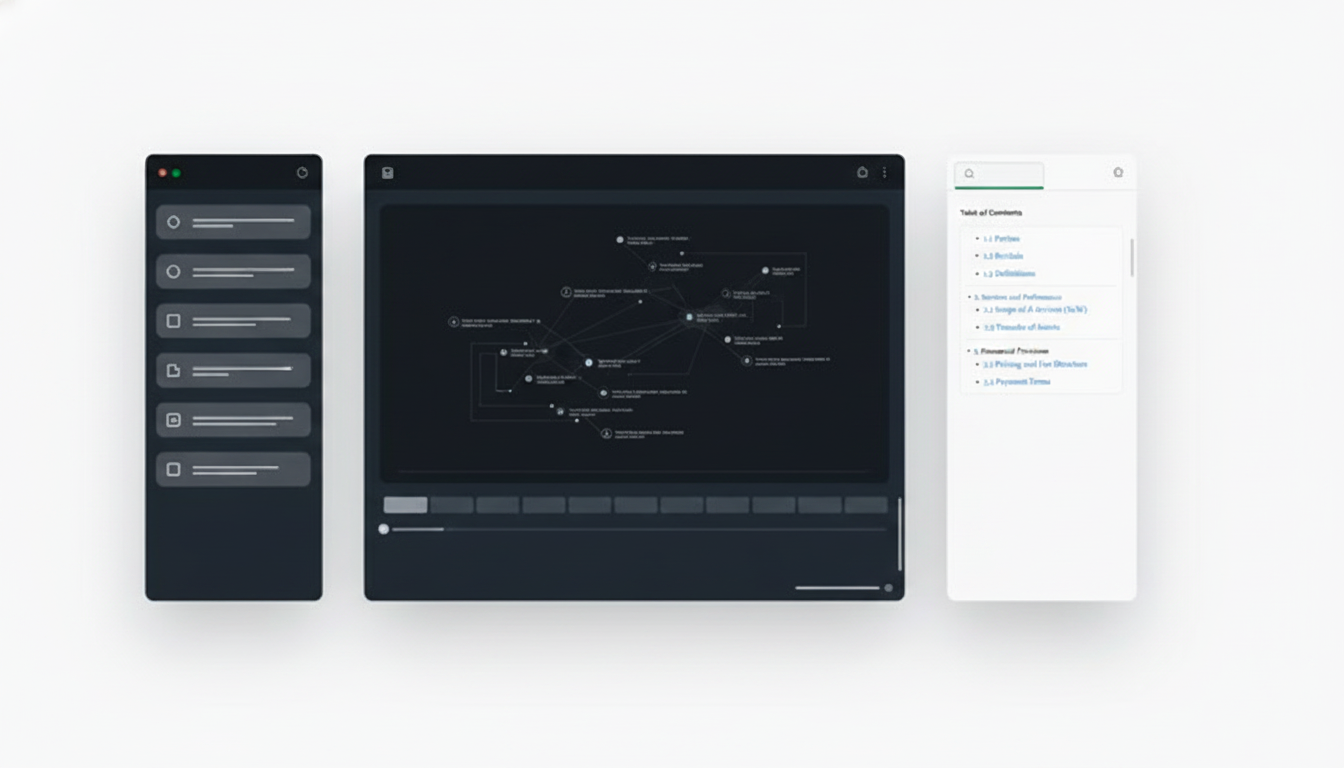
When you're constantly juggling research, content creation, and project management, the idea of an all-in-one AI workspace sounds almost too good to be true. That's exactly the promise Skywork AI, launched in May 2025, sets out to deliver. Marketed as a comprehensive solution for professionals, it aims to pull together disparate tasks like report generation, slide creation, data analysis, and even podcast production into a single, cohesive platform. For someone like me, who often finds themselves buried under a mountain of browser tabs and different applications, the concept of streamlining everything with intelligent automation is incredibly appealing.
My initial dive into Skywork was driven by the hope that it could genuinely cut down on the hours I spend switching between tools. Its core value proposition isn't just about generating text; it's about taking an idea or a prompt and transforming it into a complete, professional-grade output across various formats. From what I've seen, it's designed to be more than just another AI chatbot; it's an agentic system that can conduct deep research and then synthesize that information into ready-to-use business assets. This approach positions Skywork as a serious contender for anyone looking to significantly boost their productivity and focus on the strategic aspects of their work, rather than the tedious execution.
The platform's ambition is evident: to be the central hub where all your AI-powered productivity needs are met. It's built for the modern professional who requires not just speed, but also accuracy and a professional finish in their daily deliverables. Throughout this review, I'll share my experiences and insights into whether Skywork truly lives up to its bold claims, examining its features, performance, and overall value proposition in a rapidly evolving AI landscape.
What is Skywork AI? Deep Dive into the Platform
At its heart, Skywork AI is a sophisticated AI workspace platform, originating from Singapore, that has quickly carved out a niche for itself. Unlike many AI tools that specialize in a single function, Skywork distinguishes itself by integrating a full spectrum of capabilities: deep research, complex analysis, and high-quality content creation. Imagine needing to research a topic, analyze data related to it, and then produce a detailed report, a compelling presentation, and perhaps even a summary podcast – Skywork aims to handle all of this within a single, unified system.
What truly makes Skywork stand out in my experience is its commitment to thoroughness, particularly with its research engine. It boasts the ability to scan over 600 webpages per task, which, in my testing, genuinely translated into more comprehensive and well-grounded insights compared to what I typically get from basic AI models. This isn't just about pulling information; it's about processing that vast amount of data and turning it into structured, professional-quality outputs like documents, slides, spreadsheets, and various multimedia formats including images, videos, and even full podcasts.
The platform is designed to bridge the gap between initial creative ideas and final, polished products. It's not just a content generator; it's more like a digital assistant that can perform complex workflows. For instance, it can take an e-book and convert it into an interactive presentation, complete with original colors and formatting, which is a surprisingly powerful feature. This level of integration and multi-format output is what truly defines Skywork as a comprehensive workspace rather than a mere AI content creation tool. It’s built to be a central nervous system for your projects, ensuring that research feeds directly into creation, and creation is instantly adaptable to different mediums.
Key Features: Beyond Basic AI Content Creation
Skywork’s feature set goes far beyond what you might expect from a typical AI content generator. What I found particularly impressive is its multi-faceted approach to project execution, which feels more like interacting with a team of specialized agents than a single AI. Let's break down some of its core capabilities that genuinely stand out.
The cornerstone of Skywork's power is its Deep Research engine. When I needed to delve into a complex topic, it was able to scan hundreds of webpages – Skywork claims over 600 per task – to gather information. This isn't just a superficial search; the depth of insight it provides is noticeably richer than what I've encountered with other tools. This robust research forms the foundation for everything else it creates. Following the research, Skywork excels at generating professional documents and reports. It doesn't just churn out text; it structures information logically, allowing for easy editing and refinement of paragraphs, ensuring the output is business-ready.
Beyond text, Skywork’s multimedia capabilities are a significant differentiator. It can generate high-quality images from text prompts, create videos, and even produce podcasts with scripts and audio. For presentations, its AI Slides feature automatically optimizes layouts and structures, and I found the slide animations to be quite polished. It can also handle data with its AI Sheets, organizing data and tables into clear, readable views, and even embedding business-ready charts and graphs, which is a massive time-saver for anyone dealing with data analysis. Another standout is the ability to create custom 'Skills' and reuse templates for workflow automation, allowing you to tailor the AI's capabilities to your specific, repetitive tasks. This, coupled with Scheduled Tasks for routine workflows like daily market updates, truly pushes it into the realm of a personal AI assistant.
Key Features Summary:
- Deep Research Engine: Scans 600+ webpages for comprehensive insights.
- Multi-format Content Generation: Documents, slides, spreadsheets, images, videos, podcasts.
- Custom 'Skills' & Workflow Automation: Tailor AI for specific tasks and automate workflows.
- Scheduled Tasks: Set daily or weekly recurring tasks for automated reports and updates.
- VoiceNote: Real-time extraction of key information from recordings into structured summaries.
How Skywork Works: From Prompt to Product
Diving into Skywork, the user experience begins much like many other AI tools: with a prompt. You input your ideas, a topic, or a specific task, and then Skywork's agentic AI takes over. But this is where the similarity often ends. What makes Skywork genuinely unique is its underlying architecture, which operates more like a series of specialized agents working in concert rather than a single, monolithic AI. When I started a project, I wasn't just waiting for a block of text; I was witnessing a process unfold.
The platform doesn't just spit out a final product; it creates a transparent pipeline, showing its work. For a researcher like me, this is invaluable. It outlines the steps it's taking, the sources it's consulting, and how it's synthesizing the information. This 'show your work' approach builds a great deal of trust, as you can trace the origins of the content and verify its accuracy. For instance, when I asked it to generate a detailed report, it didn't just give me the report; it provided insights into its research methodology and the data points it prioritized. This level of transparency is a stark contrast to many black-box AI tools.
The agentic nature means that Skywork is designed to understand complex instructions and break them down into actionable steps. If you ask for a presentation, it doesn't just generate slides; it considers layout, structure, and even specific animations, as one user pointed out. This extends to things like turning an e-book into an interactive presentation, where it preserves original colors and formatting – a testament to its ability to manage nuanced creative briefs. The entire process, from that initial prompt to the final, polished product, feels less like a simple query-response and more like delegating a significant portion of a project to an intelligent, capable assistant.
Performance & Accuracy: GAIA Benchmark and User Feedback
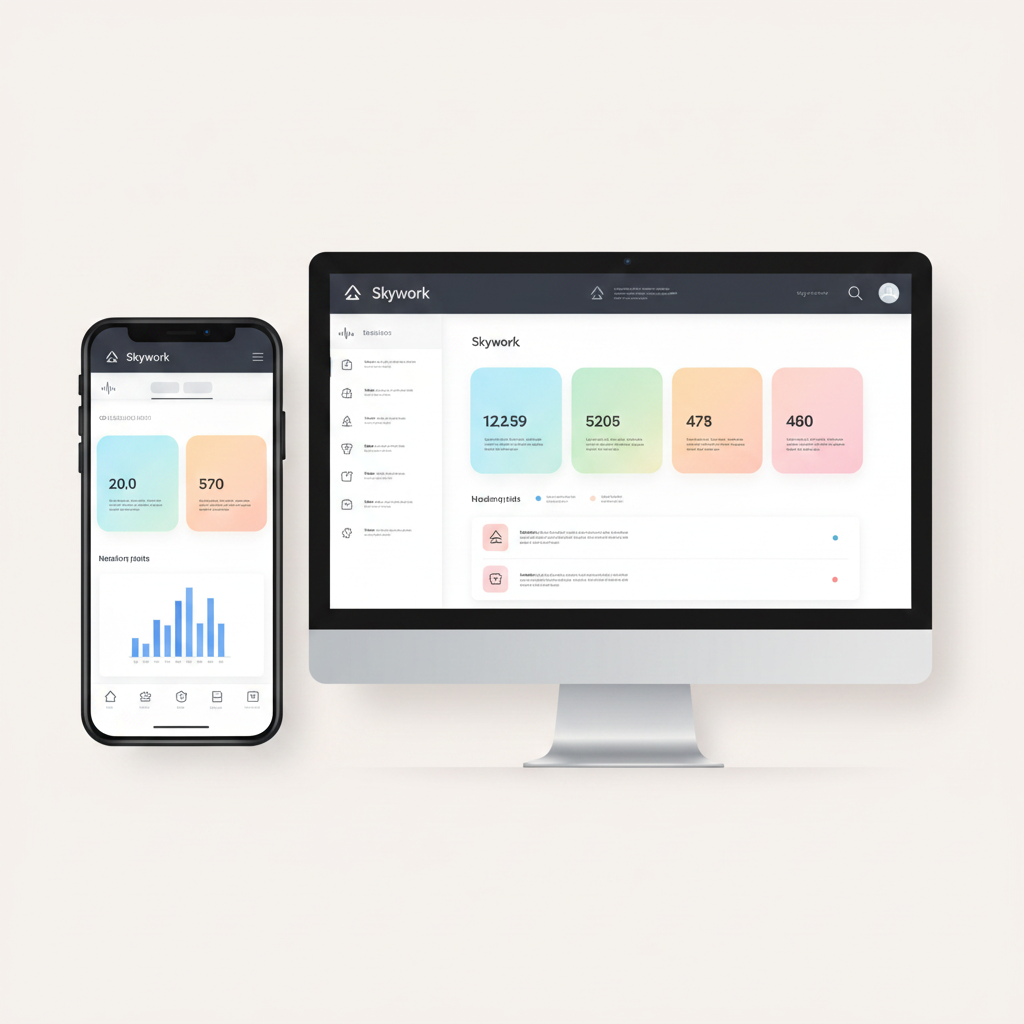
When evaluating any AI tool, performance and accuracy are paramount. Skywork AI has made a notable claim regarding its capabilities, stating an impressive 82.42% score on the GAIA benchmark. For those unfamiliar, the GAIA benchmark is designed to test an AI's ability to understand, organize, and synthesize complex information, often requiring real-world reasoning and multi-step problem-solving. A score in the 80s indicates a very strong capacity for handling intricate data and producing coherent, well-structured output, which aligns with my experience of its deep research capabilities.
Beyond benchmarks, real-world user feedback offers a crucial perspective. Across various platforms, Skywork generally receives high praise. On the Apple App Store, for instance, it boasts a strong 4.8 out of 5 rating, with users frequently highlighting the significant increase in quality compared to other AI platforms, even those using similar underlying AI models. Many have noted its differentiation, emphasizing the quality of its output for heavier-grade user requirements and the seamlessness of its integrations. One user, a private citizen researcher in cosmology and astrophysics, specifically lauded its agentic options and the detailed reports it generates, including the pipeline that shows its work and sources – a feature I also found incredibly valuable for verification.
However, it's worth noting a slight discrepancy in ratings, with Google Play showing a 3.6-star average. While still respectable, this suggests that the mobile app experience might not be as universally polished as the web version, which several users, myself included, often prefer and find to be more robust, especially for template usage. Despite this, the overarching sentiment points to Skywork's ability to deliver high-quality, business-ready content that genuinely differentiates it from more basic AI models. The consistent praise for its output quality and its agentic approach suggests that Skywork is indeed capable of understanding and synthesizing complex information effectively, making it a reliable tool for professional use.
Pricing & Plans: Understanding the Credit System
Navigating the pricing structure of AI tools can often be a bit of a maze, and Skywork is no exception. While some might encounter a $20 figure associated with Skywork, perhaps as an introductory offer or a baseline for certain features, the core of their payment model revolves around a credit-based system. This means you purchase credits, and various actions within the platform—from deep research to generating documents, slides, or multimedia—consume these credits. The more complex or extensive the task, the more credits it typically requires.
On one hand, a credit system offers flexibility. You pay for what you use, which can be appealing for users with fluctuating needs. However, this model also comes with a significant caveat, and it’s one that user feedback frequently highlights: credits can burn fast. I've seen complaints, and experienced it myself, where a creative burst or a series of intricate tasks can deplete your credit balance quicker than anticipated. One user on an app store review explicitly mentioned running out of credits mid-task, finding it challenging to continue without immediate top-ups. This implies that while the charge structure is transparent in theory, the practical implications for continuous, heavy usage can lead to unexpected costs.
For professionals who plan to integrate Skywork deeply into their daily workflows, understanding this credit consumption rate is crucial. It means you'll need to carefully monitor your usage and budget for regular credit purchases, rather than relying on a fixed monthly subscription that offers unlimited access. While specific named plans with fixed prices weren't detailed in the research provided, the system encourages buying credit packs. This approach can be a double-edged sword: it prevents overpaying for unused features but can also lead to frustration if you frequently hit a credit wall. It's an important consideration for anyone looking to make Skywork a central part of their productivity toolkit.
| Plan/Purchase Model | Pricing Structure | Best for |
|---|---|---|
| Credit Packs (Various Sizes) | Purchase credits as needed; tasks consume credits. | Occasional users, project-based work, testing features. |
| Continuous Usage | Requires frequent credit top-ups; costs scale with usage. | Heavy users, agencies, those with high content generation demands. |
Skywork Pros and Cons: A Balanced Perspective
After spending time with Skywork, I've developed a pretty clear picture of where it shines and where it might cause a bit of friction. It's a powerful tool, no doubt, but like any technology, it comes with its own set of trade-offs. Balancing these can help you decide if it's the right fit for your specific needs.
On the positive side, Skywork's all-in-one capability is genuinely transformative. The ability to handle deep research, analysis, document creation, and multimedia generation from a single platform significantly reduces context switching and streamlines workflows. Its deep research engine, scanning hundreds of webpages, provides a level of insight that many other AI tools simply can't match, leading to high-quality, business-ready output like charts, graphs, and structured reports. The seamless integrations and the agentic nature, which shows its work and sources, also build a strong sense of trust and reliability. Features like creating courses, turning e-books into presentations, and managing scheduled tasks further solidify its position as a comprehensive productivity hub.
However, there are areas where Skywork could improve. The primary concern, echoed by many users and something I've experienced, is the credit consumption model. Credits can burn through surprisingly fast, leading to unexpected costs if you're not careful, and potentially interrupting continuous usage. This can be a significant drawback for heavy users or those on a tighter budget. Additionally, while App Store ratings are high, its Trustpilot score of 2 out of 5, based on a limited number of reviews, suggests that some users have had less positive experiences, potentially related to customer service or specific feature expectations not being met. This indicates that while the technology itself is impressive, the overall user experience might have occasional bumps.
Skywork Pros:
- All-in-one AI workspace for diverse tasks.
- Deep research engine with extensive web scanning.
- High-quality, business-ready output across formats.
- Agentic AI with transparent work pipeline and sources.
- Multimedia generation (images, videos, podcasts, charts/graphs).
- Custom 'Skills' and workflow automation.
Skywork Cons:
- Credit-based system can lead to fast consumption.
- Potential for unexpected costs with heavy usage.
- Lower Trustpilot score suggests some user dissatisfaction.
- Mobile app experience (Google Play) less polished than web.
Who is Skywork For? Ideal Use Cases
Considering its robust feature set and agentic capabilities, Skywork isn't just for anyone looking for a quick AI text generator; it's designed for a specific kind of professional who needs comprehensive, high-quality output across various mediums. I'd say the ideal user falls into several categories, all sharing a common need for efficiency and professional-grade content.
Researchers and Academics are a prime target audience. With its deep research engine and the ability to create detailed reports with traceable sources, Skywork can significantly cut down the time spent on literature reviews, data synthesis, and report drafting. One user, a cosmology researcher, highlighted its excellence in helping prove or disprove various aspects, underscoring its utility for serious academic work. Similarly, Content Creators and Marketers will find immense value in its multimedia generation capabilities. Whether it's drafting social media posts, generating images, creating video scripts, or even producing full podcasts, Skywork can accelerate content pipelines dramatically.
Business Professionals and Consultants also stand to benefit greatly. Imagine needing to turn an extensive e-book into a concise, interactive presentation for a client meeting, or generating a comprehensive market analysis report complete with business-ready charts and graphs. Skywork handles these tasks with remarkable efficiency. Furthermore, for those with recurring administrative or reporting needs, the Scheduled Tasks feature is a game-changer. It can automate routine workflows like daily stock summaries or market updates, freeing up valuable time for more strategic work. In essence, if your role involves significant research, complex content creation, or repetitive information processing that demands a professional finish, Skywork is definitely worth exploring.
Skywork bridges the gap between creative ideas and final products, making it ideal for anyone who needs to quickly transform raw information into polished, multi-format assets.
Skywork Alternatives: How It Compares to Other AI Tools
In today's crowded AI landscape, Skywork isn't operating in a vacuum. There are countless AI tools, each with its own strengths. However, when I compare Skywork to its alternatives, its unique value proposition becomes quite clear. Most general-purpose AI models, like ChatGPT, excel at text generation and conversational interactions. They're fantastic for drafting emails, brainstorming ideas, or summarizing articles. But when it comes to producing a complete, multi-faceted project, they often fall short.
Skywork distinguishes itself by moving beyond text-only AI. Its ability to generate a wide array of multimedia content—from professional images and videos to full podcasts and business-ready charts and graphs—sets it apart. While you might use ChatGPT to write a presentation script, you'd then need separate tools for designing slides, creating visuals, and compiling data into graphs. Skywork integrates all these functions. It's designed to be an AI office suite, capable of delivering finished products rather than just raw components. This agentic, all-in-one approach significantly reduces the need to stitch together outputs from multiple different applications, which is a major time-saver.
When considering alternatives, you might find specialized tools for presentations (like Beautiful.ai or Gamma), research (like Elicit or Scite), or data visualization. What Skywork offers is the convenience of having these capabilities under one roof, guided by a single prompt. It's not just a content creator; it’s a content orchestrator. While other agentic options exist, Skywork’s combination of deep research, comprehensive output formats, and workflow automation gives it a strong competitive edge for professionals seeking a truly integrated solution. You can see how it stacks up against alternatives on Top10k and other review sites, where its ability to produce business-ready assets often comes up as a key differentiator.
The Final Verdict: Is Skywork AI Worth the Investment?
After a thorough exploration of Skywork AI's capabilities, its performance, and user feedback, it's time to deliver a final verdict on whether this all-in-one AI workspace truly justifies the investment. For me, the answer is a qualified yes, particularly for a specific type of user.
Skywork's agentic capabilities and its commitment to being a comprehensive workspace are its strongest assets. The ability to conduct deep research, synthesize complex information, and then automatically generate professional documents, slides, spreadsheets, and various multimedia formats from a single prompt is incredibly powerful. It genuinely streamlines workflows and can significantly reduce the hours spent on tedious, repetitive tasks. For researchers, content creators, and business professionals who frequently need to produce high-quality, multi-format content, Skywork offers a level of integration and output quality that few other AI tools can match.
However, the value proposition is tempered by its credit-based pricing model. While flexible, the rapid consumption of credits can lead to unexpected costs and potential frustration for heavy, continuous users. It requires careful management and budgeting, which might not appeal to everyone accustomed to unlimited subscription models. Despite this, if you value a tool that delivers business-ready content, provides transparency in its work, and can truly act as an intelligent assistant for complex projects, Skywork is a compelling option. Its strengths in deep research and versatile content creation largely outweigh its pricing model's quirks, making it a worthwhile investment for those who can leverage its full suite of features effectively.
Full profile and live ranking: https://top10k.com/ai/skywork
Published by

Top10k Tools is known as a suite of online utilities featuring 4,000+ ready-to-use tools created to simplify everyday tasks.
It brings together content optimization, image processing, programming, calculations, and workflow tasks. Each tool runs right in the browser, with no sign-up required to start.
Top10k Tools is working toward building 10,000 free mini tools covering nearly every everyday task.
From freelancers to small teams, there's likely a tool that fits. Find your next favorite tool.
Frequently asked questions
What is Skywork AI's pricing model?
Skywork AI operates on a credit-based system. Users purchase credit packs, and various tasks, from deep research to content generation, consume these credits. While there might be introductory offers or baseline figures mentioned, the core cost scales with your usage, as credits can be used up quickly depending on the complexity and volume of tasks.
Does Skywork AI offer a free plan or trial?
The provided research does not explicitly detail a free plan or a trial period for Skywork AI. While many credit-based systems often offer a small number of free credits upon sign-up to test the platform, this specific information was not available in the distilled content.
How does Skywork AI compare to ChatGPT?
Skywork AI goes beyond text-only generation, distinguishing itself from tools like ChatGPT by offering an all-in-one workspace that integrates deep research, analysis, and multimedia content creation. While ChatGPT excels at conversational text, Skywork can generate professional documents, slides, spreadsheets with business-ready charts, images, videos, and podcasts, acting as an agentic assistant that shows its work and sources.
Is Skywork AI accurate and reliable?
Skywork AI scored 82.42% on the GAIA benchmark, indicating strong capabilities in understanding and synthesizing complex information. User feedback, particularly on the Apple App Store, praises its quality output and differentiation from other AI tools, highlighting its agentic nature and transparency in showing its work and sources, which contributes to its reliability.
What are the ideal use cases for Skywork AI?
Skywork AI is ideal for researchers, content creators, and business professionals. It excels at tasks like conducting deep research for reports, converting e-books into presentations, generating multimedia content (images, videos, podcasts), creating business-ready charts and graphs, and automating recurring tasks such as market updates or daily summaries.
Is Skywork AI difficult to learn and use?
Skywork AI is designed to be user-friendly, starting with simple prompts to generate complex outputs. Its 'Skills' framework and workflow automation features allow for customization and reuse, simplifying repetitive tasks. While it's a powerful tool, its agentic nature and transparent pipeline make it relatively intuitive for users to understand how it operates and refine its outputs.
Is Skywork AI worth the investment?
For professionals needing an all-in-one AI workspace that delivers high-quality, multi-format content and deep research capabilities, Skywork AI can be a worthwhile investment. Its agentic approach and ability to streamline complex workflows are significant advantages. However, users should carefully consider its credit-based pricing model and potential for rapid credit consumption when budgeting for continuous usage.